
Michael ,
Kathmandu: Avocado is gaining popularity worldwide, not only for its distinctive taste and creamy texture but also for its nutritional value. Growing interest in healthy eating has increased demand for the fruit and expanded its commercial significance. With suitable climatic conditions and proper cultivation practices, avocado farming could become a promising source of income for farmers in Nepal.
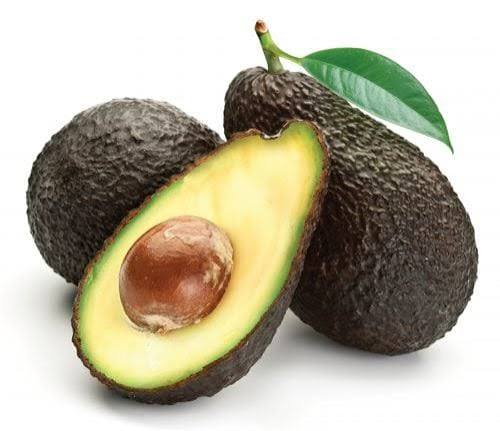
Among the different avocado varieties, Hass is particularly popular in international markets. Its skin changes from dark purple to nearly black as the fruit ripens, while the flesh remains soft, creamy, and flavorful. Its texture, quality, nutritional profile, and commercial versatility have helped Hass avocado establish a strong position in the global market.
Why Is Hass Avocado So Popular?
Hass avocado is valued for its rich flavor, creamy flesh, nutritional content, and market demand. Compared with some other varieties, it generally has a relatively high oil content, which contributes to its smooth texture. The darkening of its skin as it ripens can also help consumers identify maturity, although skin color alone is not always a reliable indicator of ripeness.
Avocados are traded widely in international markets, including the United States and Europe. Hass is one of the most commercially important varieties, with extensive production and distribution networks. However, any claim about its exact percentage of global consumption should be supported by reliable data for a clearly defined period.
Major Health Benefits of Avocado
Avocados contain healthy fats, dietary fiber, vitamins, and minerals. Including them in a balanced diet can help provide nutrients needed for normal body functions.
1. Supports Heart Health
Avocados are rich in monounsaturated fats. Replacing saturated fats with foods containing these healthier fats may help maintain healthy blood cholesterol levels. Oleic acid is the primary monounsaturated fatty acid found in avocado.
2. A Good Source of Potassium
Potassium plays an important role in muscle function, nerve signaling, and maintaining the body's fluid balance. Approximately 485 milligrams of potassium may be found in 100 grams of avocado, although the amount varies depending on the variety and fruit characteristics.
3. Promotes Digestive Health
The dietary fiber in avocados supports regular bowel movements and overall digestive function. When consumed as part of a balanced diet with adequate water intake, fiber may help relieve constipation and promote a longer-lasting feeling of fullness.
4. Contributes to Eye Health
Avocados contain carotenoids such as lutein and zeaxanthin, which are associated with eye health. Their fat content may also help the body absorb certain fat-soluble nutrients from other foods consumed in the same meal.
5. Provides Essential Nutrients
Avocados contain vitamin E, vitamin K, folate, and other micronutrients. These nutrients contribute to normal cell function, blood clotting, and several essential biological processes.
Although avocados are nutritious, they are also relatively energy-dense because of their fat content. Portion sizes should therefore be adjusted to individual dietary needs and overall energy intake.
How to Eat Avocado
Avocados can be enjoyed in several ways. A ripe fruit can be cut in half, the seed removed, and the flesh eaten directly. The fruit can also be added to salads, sandwiches, breakfast dishes, and smoothies.
For a simple salad, combine avocado with cucumber, tomatoes, onions, and lemon juice. It can also be spread on whole-grain toast or blended with milk, yogurt, and other fruits to prepare a smoothie. Adding a little lemon juice and salt can provide another simple serving option.
Prospects for Avocado Farming in Nepal
Avocado cultivation has potential in suitable mid-hill and warm subtropical regions of Nepal. Temperature, rainfall, frost risk, soil conditions, drainage, and irrigation availability all influence the success of avocado production. Farmers should therefore assess local growing conditions before selecting a variety.
For commercial cultivation, it is advisable to obtain healthy, correctly identified plants from a reliable nursery. Grafted plants are often preferred when their variety and source can be verified. Avocado trees may take several years to begin producing fruit, depending on the plant type, variety, climate, and management practices.
Before investing in commercial production, farmers should evaluate the expected time to harvest, market demand, transportation costs, and potential selling prices. Careful planning is particularly important because the initial investment may not generate immediate returns.
Avocados produced in Nepal can be sold as fresh fruit. Potential markets include hotels, restaurants, juice shops, supermarkets, and consumers interested in nutritious foods. By maintaining fruit quality and improving harvesting, storage, transportation, and marketing practices, farmers may be able to diversify their income through avocado production.
Conclusion
Avocado is a nutrient-rich fruit that provides healthy fats, dietary fiber, potassium, vitamins, and other essential nutrients. Its growing popularity reflects increased interest in healthy eating and expanding international demand. With suitable growing conditions, quality planting materials, and scientific farming practices, avocado cultivation could become a promising commercial agricultural opportunity in Nepal, helping farmers diversify their production and improve their income potential.